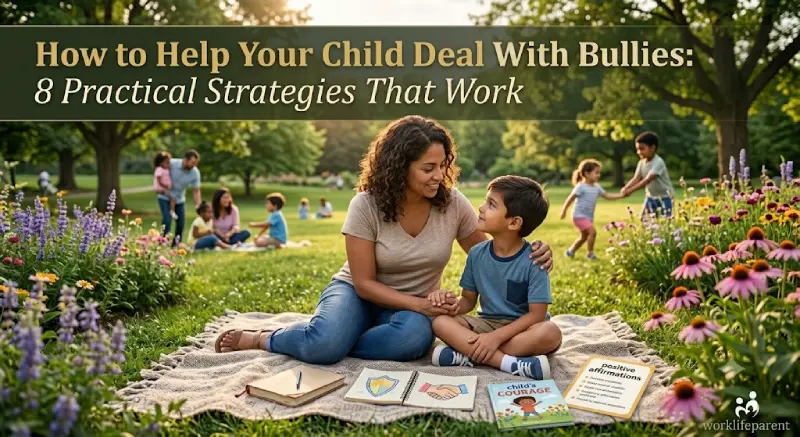
How to Help Your Child Deal With Bullies: 8 Practical Strategies That Work, Bullying remains one of the most stressful challenges a young student can face, According to global data from UNICEF, nearly half of all teenagers aged 13 to 15 experience peer violence and bullying in and around school. For parents, watching a child struggle with harassment, verbal abuse, or social exclusion is heartbreaking.
Understanding why children bully—and how to equip your child with effective coping mechanisms—can transform a feeling of helplessness into actionable strength. School grounds often act as the primary incubator for aggressive behaviors, where kids targeted by bullies risk severe long-term impacts on their self-esteem, academic focus, and emotional well-being.
Why Kids Bully: Understanding the Root Causes
Bullying is rarely a random act. It typically involves repeated targeted behavior aimed at exerting power over another person through physical aggression, verbal insult, exclusion, or rumor-spreading. Mental health experts point to several driving forces behind these actions.
- The Cycle of Aggression: Many children who bully are coping with harsh treatment, neglect, or instability in their own home environments, They project their frustration onto vulnerable peers.
- Pack Mentality and Social Status: Peer pressure drives many young boys and girls to join aggressive groups. Seeking popularity or asserting physical dominance often fuels group bullying.
- Lack of Emotional Awareness: Young children frequently fail to grasp the deep psychological impact of their actions. They mistake cruelty for harmless entertainment, seeking attention from onlookers rather than recognizing the target’s pain.
look: The Best Child Care and Parenting Tips to Raise a Happy, Healthy Child
The Silent Impact of Bullying on Children
The emotional toll of ongoing harassment extends far beyond the classroom. Children targeted by bullies often experience a drop in academic performance, social anxiety, and a deep loss of self-worth. In extreme situations, unaddressed bullying contributes to severe depression and long-term psychological trauma.
Recognizing the warning signs early allows parents to step in before the emotional damage deepens.
8 Proven Strategies to Teach Your Child How to Handle Bullies
Equipping your child with actionable skills helps them navigate difficult social dynamics with confidence. Here are eight practical techniques you can teach your child today:
1. Maintain Distance and Avoid Escalation
Advise your child to step away from known bullies whenever possible. Ignoring minor provocations deprives the bully of the emotional reaction they are looking for.
2. Build a Strong Social Support System
Bullies frequently target isolated individuals. Encourage your child to stay near trusted friends during unstructured times like lunch breaks, recess, or hallway transitions.
3. Report the Behavior Immediately
Make sure your child understands that reporting a bully to a teacher or school administrator is a sign of courage, not weakness. Seeking adult help is an act of self-advocacy.
4. Respond with Calm Firmness
Train your child to deliver a direct, neutral response. A simple, firm statement like “Stop doing that” or “Leave me alone” sets a boundary without escalating the conflict.
5. Master Body Language Skills
Non-verbal communication plays a massive role in de-escalating confrontation. Teach your child to maintain direct eye contact, keep a steady vocal tone, and stand tall with confident posture.
6. Keep Emotions in Check During Confrontation
Showing visible anger or distress often gives the bully a sense of control. Remind your child to remain as neutral and composed as possible until they can reach a safe space.
7. Reinforce Self-Worth at Home
Constantly validate your child’s strengths, talents, and character. A child with a solid foundation of self-worth is far less likely to internalize a bully’s hurtful words.
8. Encourage Healthy Coping Over Aggression
Emphasize the difference between standing up for oneself and becoming an aggressor. Teach your child that responding with physical violence or revenge creates a vicious cycle. Translated from the UNICEF website
Responding to Bullying
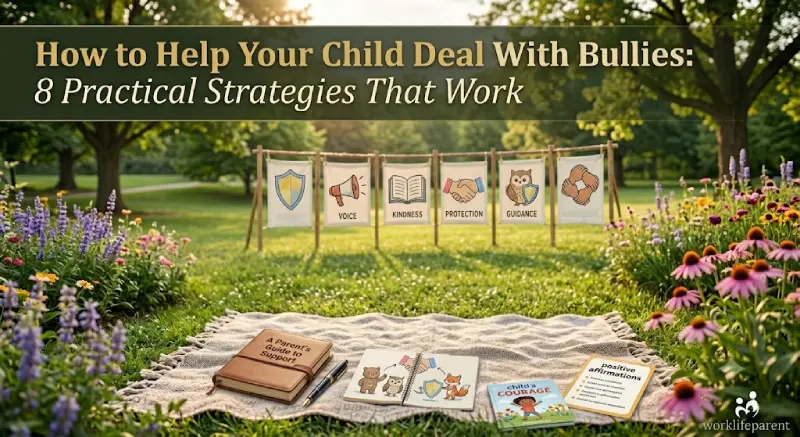
What should I do if my child is being bullied or threatened with bullying?
If you know that your child is experiencing bullying, there are several steps you can take to help them:
- Listen to your child openly and calmly. Focus on making your child feel heard and supported, rather than trying to figure out the reason behind the bullying or jumping straight to solving the problem. Make sure they know it is not their fault.
- Tell your child that you believe them. Let them know you are glad they told you, that it is not their fault, and that you will do everything you can to help.
- Talk to the teacher or the school. You and your child do not have to face bullying alone. Ask if the school has an anti-bullying policy or code of conduct. This applies to both in-person and online bullying.
- Be a pillar of support. Having supportive parents is crucial for a child to cope with the effects of bullying. Make sure your child knows they can talk to you at any time, and reassure them that things will get better. unicef
How can I help prevent bullying?
The first step to keeping your child safe, whether in-person or online, is making sure they know the issue.
1. Educate your children about bullying
Once they know what bullying is, your children will be able to identify it more easily, whether it is happening to them or someone else.
2. Talk openly and frequently to your children
The more you talk to your children about bullying, the more comfortable they will be telling you if they see or experience it. Check in with your children daily and ask about their time at school and their activities online, inquiring not only about their classes and activities, but also about their feelings.
3. Help your child be a positive role model
There are three parties to bullying: the victim, the perpetrator and the bystander. Even if children are not victims of bullying, they can prevent bullying by being inclusive, respectful and kind to their peers. If they witness bullying, they can stick up for the victim, offer support, and/or question bullying behaviours.
4. Help build your child’s self confidence
Encourage your child to enrol in classes or join activities they love in your community. This will also help build confidence as well as a group of friends with shared interests.
5. Be a role model
Show your child how to treat other children and adults with kindness and respect by doing the same to the people around you, including speaking up when others are being mistreated. Children look to their parents as examples of how to behave, including what to post online.
6. Be part of their online experience
Familiarize yourself with the platforms your child uses, explain to your child how the online and the offline world are connected, and warn them about the different risks they’ll face online. unicef
What It Taught Me When My Own Son Was Targeted
When my ten-year-old son started coming home from school noticeably quiet and skipping his afternoon snacks, I knew something was wrong. After a few days of gentle check-ins, he finally broke down and confessed that two older boys were mocking his speech impediment on the playground every single day.
My immediate instinct as a parent was rage. I wanted to march straight to the principal’s office or confront the parents myself. But I realized that solving the issue for him without empowering him would leave him feeling even weaker.
We spent the weekend role-playing different scenarios in our living room. I played the role of the bully, and he practiced standing tall, looking me straight in the eye, and saying in a calm, clear voice: “I don’t care what you think, stop talking to me.” We also spoke with his teacher to ensure better supervision during recess.
Within two weeks, the dynamic shifted completely. The bullies realized my son was no longer an easy target for entertainment and moved on. That experience taught me that giving children practical tools and unconditional support at home builds a resilience that protects them for life.
Key Takeaways for Parents
Protecting your child from bullying requires open communication, active listening, and collaboration with school staff. By reinforcing your child’s confidence and teaching them how to set clear boundaries calmly, you help them navigate difficult peer interactions effectively while preserving their mental well-being.
Frequently Asked Questions Help Your Child Deal With Bullies
How can I tell if my child is being bullied if they won’t talk about it?
Look for subtle changes in behavior, such as unexplained physical complaints like stomachaches, sudden drops in grades, reluctance to go to school, lost items, or withdrawal from social activities.
Should I contact the bully’s parents directly?
In most cases, it is better to work directly through school authorities, guidance counselors, or teachers. Direct parent-to-parent confrontations can often escalate tensions rather than resolve the issue smoothly.
How do I teach my child to be assertive without being aggressive?
Focus on setting clear boundaries. Teach them to use “I” statements, maintain eye contact, and keep their tone firm but neutral, avoiding insults or physical contact.
What should I do if the school fails to take action?
Document every incident with dates, times and details. Escalate the matter in writing to the school principal, school board or district administrators until appropriate safety measures are put in place.
How can I help my child rebuild self-esteem after severe bullying?
Focus on activities outside of school where your child can thrive, such as sports arts or community groups. Consider seeking support from a child psychologist if anxiety or sadness persists.